The Evolution of Public Media in the Digital Age: Challenges, Adaptation, and the Road Ahead
Public media has always operated on a simple but demanding premise: serve the public, not the advertiser. For most of the 20th century, that mission was delivered through radio towers and television antennas. Today, it must compete with algorithmic feeds, subscription platforms, and an attention economy that rewards sensation over substance. The question is no longer whether public media needs to change — it already has. The real question is whether the changes are fast enough, and whether the core mission survives them.
What Is Public Media and Why It Still Matters
Public media refers to broadcasting and journalism services funded primarily through public sources — government grants, license fees, or listener donations — rather than commercial advertising. Its foundational purpose is to inform, educate, and serve all segments of society, particularly those underserved by commercial outlets.
This distinction matters more now than it did a decade ago. As private media consolidates around profit-driven models, the gaps in local coverage, investigative journalism, and minority-language programming have grown wider. Public service journalism fills those gaps — not because it's obligated to be dull, but because it's freed from the pressure to chase clicks at the expense of accuracy.
Organizations like the BBC, NPR, ABC Australia, and Deutsche Welle have built decades of institutional trust. That trust is a resource that can't be replicated overnight by a startup with a newsletter. In a fractured media landscape, that accumulated credibility is arguably public media's most valuable asset.
From Broadcast Towers to Digital Streams — A Shift in Delivery
The transition from traditional broadcasting to digital distribution has fundamentally restructured how public media reaches its audience. Linear schedules have given way to on-demand content; radio has expanded into podcasts; television archives are now streaming libraries.
This shift wasn't optional. Audiences — especially younger ones — stopped watching scheduled broadcasts and started consuming content on their own terms. Public broadcasters had to follow. The BBC iPlayer, NPR's podcast network, and France Télévisions' streaming services represent this pivot: the same editorial standards, delivered through the same platforms people use for entertainment.
Social media added another layer. Platforms like YouTube, Instagram, and TikTok became distribution channels for short-form public media content. A documentary that once aired at 9 PM now lives as a six-part series on a streaming app and a highlight reel on social feeds. The challenge is maintaining editorial integrity across formats that were designed for engagement metrics, not journalistic depth.
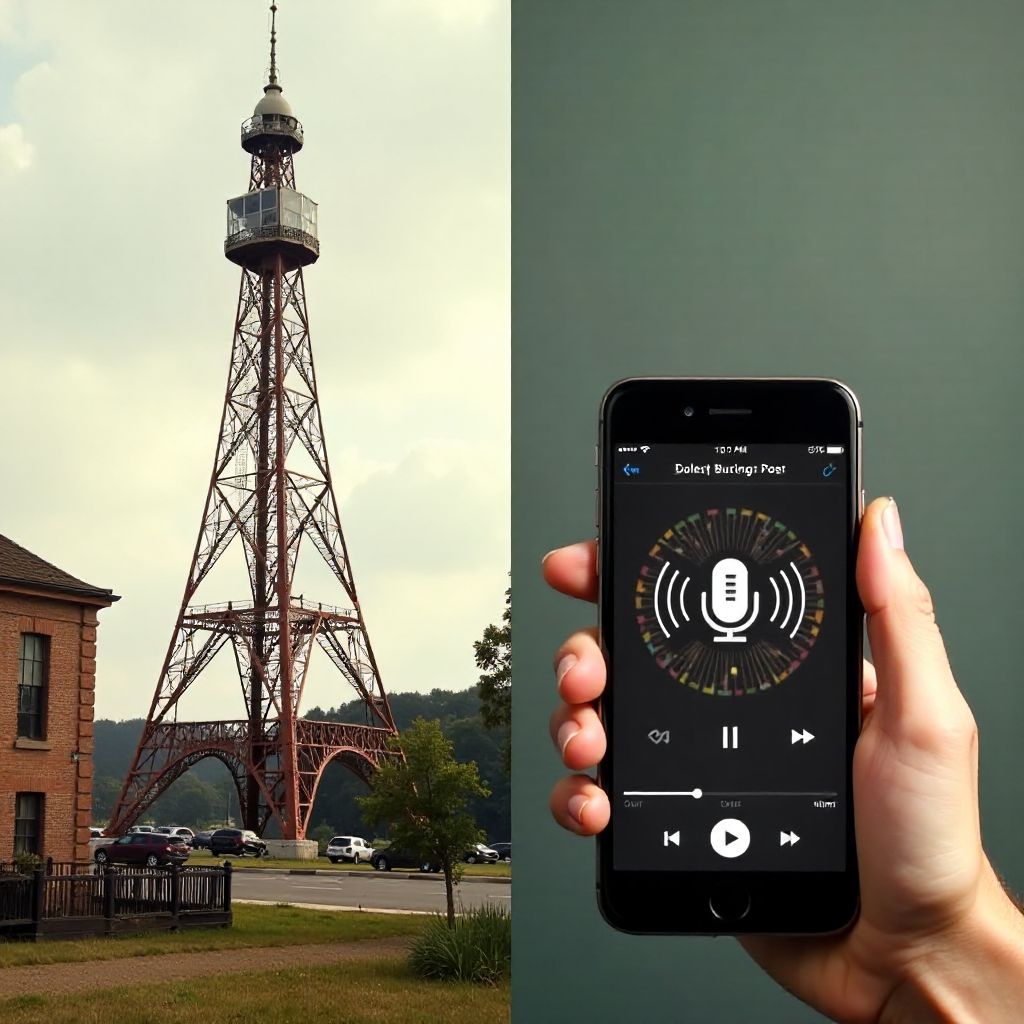
The move to digital also created new dependencies. Public broadcasters now rely on platform algorithms they don't control and app stores that take revenue cuts. Choosing digital reach means accepting some loss of distribution sovereignty — a trade-off that hasn't been fully resolved.
Funding Under Pressure: How Digital Disruption Has Changed the Economics
Traditional public media funding — license fees, government appropriations, and philanthropic grants — was built for a broadcasting world with clear boundaries. Digital disruption has made those boundaries irrelevant, and the funding models are straining to keep up.
License fee systems, which tie funding to television ownership, are losing their logic as households cancel TV subscriptions. The UK's ongoing debate over the BBC's license fee model illustrates the tension: a funding mechanism designed in 1946 is being asked to support a 21st-century multiplatform operation. Some countries have shifted to household levies or general taxation to decouple funding from device ownership — a more sustainable approach, though politically contentious.
On the revenue side, public media organizations have experimented with membership models, premium newsletters, and digital subscriptions — borrowing from the playbook of commercial digital journalism. NPR member stations have long relied on listener donations, and that culture of direct audience support has translated reasonably well to digital fundraising. But membership revenue tends to skew toward already-engaged, higher-income audiences, raising questions about whether it can replace broad-based public funding without narrowing who public media serves.
Grants from foundations and international development organizations have also grown as a supplement, particularly for investigative and international journalism. This diversification reduces dependence on any single source but adds administrative complexity and, in some cases, introduces subtle pressures around editorial priorities.
Audience Engagement in the Digital Era
Digital tools have given public media organizations unprecedented insight into how audiences behave — and new pressure to act on that data in ways that sometimes conflict with public service values.
Analytics platforms now show exactly which stories attract readers, how long they stay, and where they drop off. Used well, this data helps editors understand what genuinely serves their audience. Used poorly, it nudges newsrooms toward optimizing for traffic rather than impact. The distinction between "what people click" and "what people need" is where public media's mission gets tested most acutely.
Community engagement has become a deliberate editorial strategy for many public broadcasters. Local radio stations run listener forums; public television produces content in collaboration with community members; digital teams build interactive tools that invite audience participation. These aren't just marketing tactics — they reflect a genuine shift in how audience engagement is understood, from passive viewership to active participation in the journalism process.
Newsletters have emerged as a particularly effective engagement tool. They land directly in a subscriber's inbox, bypassing platform algorithms, and create a more intimate relationship between journalist and reader. Several public media outlets have built substantial newsletter audiences that serve as a stable core of engaged supporters.
Public Media's Role in Combating Misinformation
As misinformation has spread across social networks, public media has taken on a more explicit role as a trusted counterweight — fact-checking viral claims, explaining complex issues in context, and modeling the kind of verification practices that commercial speed-driven outlets often skip.
The scale of misinformation in the current information ecosystem has made this role both more important and more difficult. Public broadcasters are trusted — surveys consistently show higher public trust in public media than in commercial outlets — but that trust is not uniform across all demographics or political communities. In some contexts, public media is itself perceived as biased, which limits its ability to reach the audiences most exposed to misinformation.
The response has been practical: dedicated fact-checking units, partnerships with digital platforms to label verified content, and educational initiatives aimed at building media literacy among younger audiences. These efforts don't eliminate misinformation, but they establish public media as a reliable reference point in an environment where verification has become a competitive advantage.
Newsroom Transformation — Skills, Tools, and Culture
Inside public media organizations, the digital transition has required fundamental changes to who gets hired, what tools they use, and how editorial decisions get made.
The traditional newsroom — built around print deadlines or broadcast schedules — has been replaced by a continuous publishing environment. Journalists now need skills in data visualization, audio production, social media distribution, and SEO, alongside the core competencies of reporting and writing. This has required significant investment in training and, in many cases, a generational shift in staff composition.
Tools have changed too. Content management systems now integrate analytics dashboards. Audio editing happens on laptops rather than in dedicated studios. Video production has become accessible enough that a single journalist can produce broadcast-quality content with a smartphone and basic equipment. This democratization of production has expanded what's possible — but it has also raised expectations about output volume, sometimes at the cost of depth.
Cultural change has been the hardest part. Newsrooms that spent decades operating within rigid broadcast formats have had to develop more experimental, iterative approaches to content. That requires not just new skills but a different relationship with failure — the willingness to try formats that might not work, learn from the data, and adjust. For institutions with strong traditions, that shift in editorial culture can take years.
What the Future of Public Media Looks Like
The future of public media will be defined by how well it resolves the tension between institutional stability and digital agility — and whether it can make the case for public funding in an era when content is available everywhere.
Sustainability will require diversified revenue: a mix of public funding, membership income, foundation grants, and potentially platform licensing deals. No single model is sufficient. The organizations that navigate this best will likely be those that build strong direct relationships with their audiences — not just as consumers of content, but as supporters of a mission.
Distribution will continue fragmenting. Public media will need to be present across platforms without becoming dependent on any of them. That means investing in owned channels — apps, websites, newsletters, podcasts — while using social platforms strategically for discovery rather than relying on them for reach.
The deepest opportunity for public media in the digital age is differentiation through trust. In a content environment saturated with noise, the organizations that verify carefully, correct openly, and serve audiences rather than algorithms have a genuine competitive advantage. That's not a nostalgic argument — it's a strategic one. Public service journalism has something most digital-native platforms don't: a decades-long track record of operating in the public interest. Building on that foundation, rather than abandoning it to chase engagement metrics, is the clearest path forward.
Frequently Asked Questions
How is public media different from commercial media?
Public media is funded through public sources — license fees, government grants, or listener donations — rather than advertising revenue. This structure removes the commercial pressure to maximize audience size at the expense of editorial quality, allowing public media to cover topics and communities that commercial outlets often ignore.
How do public media organizations make money in the digital age?
Most public media organizations now use a combination of funding sources: traditional government appropriations or license fees, listener and viewer memberships, foundation grants, and in some cases digital subscriptions or premium content tiers. No single model dominates — diversification has become the norm.
Is public media still relevant when content is available everywhere online?
Relevance isn't just about availability — it's about trust and quality. Public media's value lies in its editorial standards, independence from commercial interests, and commitment to serving underrepresented audiences. Those qualities become more valuable, not less, as the volume of unverified content online increases.
How does public media maintain editorial independence?
Editorial independence is protected through governance structures that insulate newsrooms from political and commercial pressure. This typically includes independent editorial boards, transparent funding disclosures, and published editorial standards. The strength of these protections varies by country and organization, but institutional transparency is the primary mechanism.
What role does public media play in promoting media literacy?
Many public broadcasters have developed dedicated media literacy programs — educational initiatives that teach audiences, particularly young people, how to evaluate sources, identify misinformation, and understand how journalism works. This is increasingly seen as a core part of the public service mission, not a peripheral activity.