Media Literacy in the Digital Era: Helping the Public Navigate News and Information
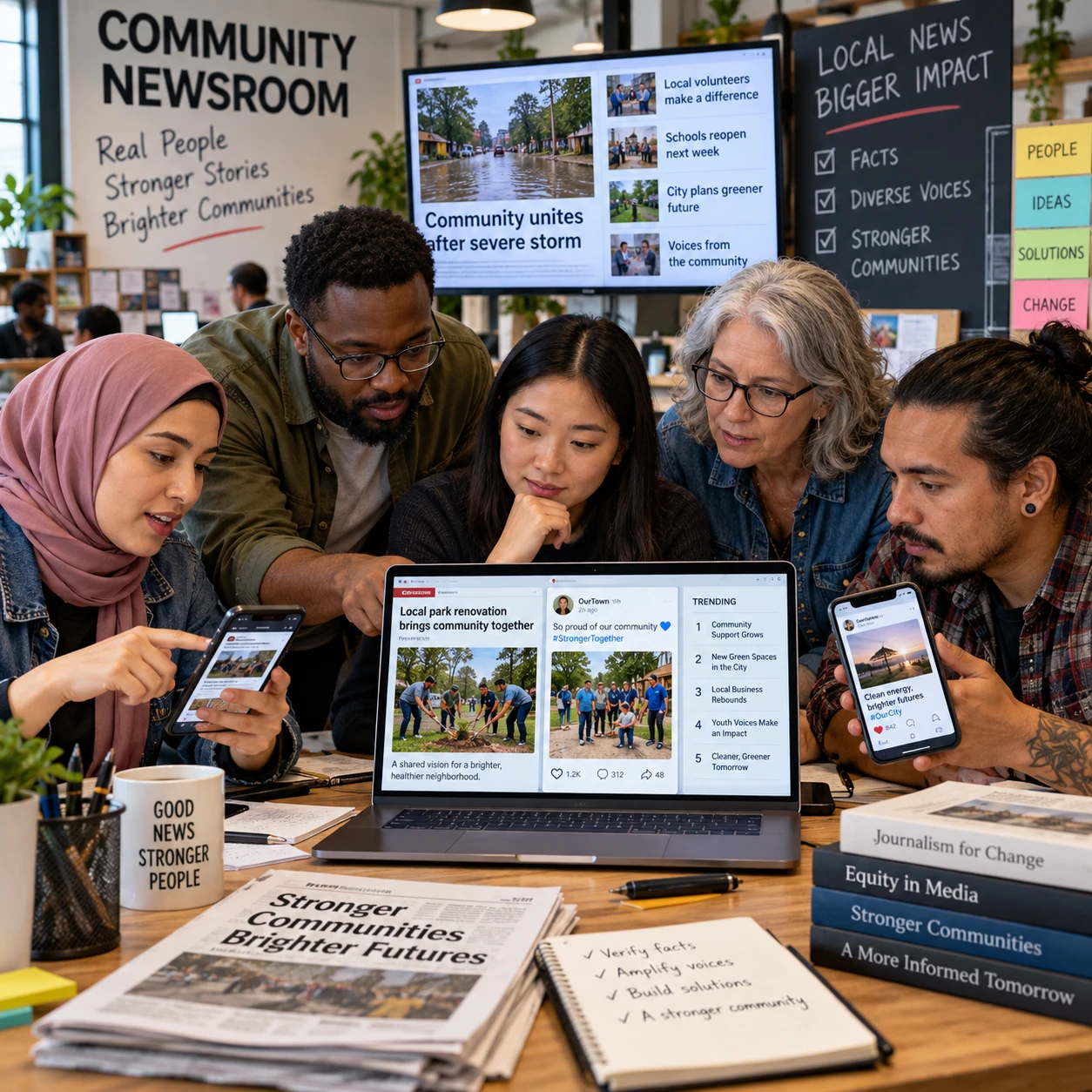
News now reaches people through search results, social feeds, group chats, podcasts, and digital journalism outlets. That abundance makes it easier to find perspectives and harder to judge what deserves trust. Media literacy gives the public practical tools to interpret messages, check claims, and take part in online life with care.
What Media Literacy Means Today
Media literacy is the ability to access, analyze, evaluate, and create media across formats. In the digital era, it includes understanding who made a message, what evidence supports it, how it is presented, and how sharing it may affect others.
The skill applies to a breaking-news alert, a sponsored video, a political meme, or a carefully reported investigation. Readers consider the source and purpose, distinguish evidence from opinion, and notice how images, headlines, and editing shape meaning. They also understand that a polished design or large following does not prove accuracy.
News literacy is a related, more focused set of skills for assessing journalism and public-affairs information. It helps readers recognize reporting practices such as attribution, verification, corrections, and the separation of news reporting from commentary. Both forms of literacy include the ability to create and share media responsibly, rather than treating audiences as passive recipients.
Why Media Literacy Matters for the Public
Media literacy helps people make better-informed decisions by giving them ways to assess claims before accepting or sharing them. It supports civic participation, public understanding, and responsible media use, though it cannot guarantee that every false claim will be caught.
A health claim in a neighborhood group, a post about a local election, and a video from a protest can all influence decisions. Checking the original source, date, evidence, and context helps readers avoid acting on content that has been misrepresented or stripped of key details. In public life, those habits can make discussion more grounded and give people a clearer basis for evaluating policies and institutions.
Media literacy also encourages readers to recognize the difference between misinformation, false or inaccurate information shared without clear intent to deceive, and disinformation, false information deliberately spread to mislead. In practice, intent can be difficult to establish from a post alone. Focus first on whether the claim is supported, then be cautious about declaring why someone shared it.
How Digital Media Shapes What We See
Digital media shapes what people see through platform design, social connections, and algorithmic feeds that rank or recommend content. These systems can help users find relevant reporting, but they can also make some stories more visible than others.
Social media algorithms often use signals such as past activity, popularity, and predicted interest to order posts. The exact systems vary and change, so a feed should not be treated as a complete or neutral picture of current events. A story that appears repeatedly may be widely discussed in a particular network, but repetition alone is not evidence of its accuracy or public importance.
Digital journalism has changed how audiences encounter news. Readers may arrive at a report through a journalist’s post, a search engine, or a friend’s link rather than a publication’s homepage. News organizations still make choices about what to investigate, verify, and publish; platforms make additional choices about how content is distributed. Paying attention to both helps explain why two people can encounter different accounts of the same event.
To widen your view, compare coverage from more than one credible outlet, follow primary documents where available, and deliberately seek reporting beyond your usual feed. This does not mean every outlet is equally reliable or every disagreement has equal evidence. It means checking how a story is reported before drawing conclusions.
Evaluating News and Online Claims
To evaluate an online claim, identify its original source, check its evidence and context, and verify key details with independent reporting. A short pause before sharing can prevent an unverified headline, image, or statistic from traveling further.
Use this five-part check when a claim feels surprising, urgent, or designed to provoke a strong reaction:
- Source: Who published or first shared it? Look for a named author, an editorial purpose, contact details, and a record of corrections or accountable reporting.
- Evidence: Does the report link to documents, data, interviews, or named experts? Follow the links where possible and check whether they support the claim being made.
- Context: Is the information current? Find the full quote, study, speech, or event rather than relying on a cropped excerpt or an old post presented as new.
- Headline: Does the article itself support the headline? Headlines can simplify or dramatize; read beyond them before sharing.
- Visuals: Could a photo or video be from another place or time? Search for the earliest available version and compare visible details with the caption.
Fact-checking is useful when it shows its evidence and explains how it reached a conclusion. Search the exact wording of a claim, look for independent reporting, and consult fact-checkers that provide links to their sources. A reverse image search can help trace a photograph, but it may not establish when or where it was taken. Treat any single tool as one piece of the check, not a final verdict.
CISA’s guidance on rumors and election information offers practical reminders for slowing the spread of unverified claims. When evidence remains unclear, it is reasonable to wait, qualify what you know, or avoid sharing the claim.
Teaching Media Literacy Across Audiences
Media literacy works best when people practice it with real examples and learn habits they can repeat. Educators, journalists, libraries, and community organizations can teach these skills to different age groups without assuming that any audience is immune to misleading content.
In classrooms, teachers can compare two reports about the same event and ask students to identify the evidence, sourcing, and framing in each. The goal is not to label every outlet as trustworthy or untrustworthy; it is to explain what makes a particular report stronger or weaker. Students can also create a short news post, then revise it to make attribution and uncertainty clear.
Journalists can support news literacy by showing how reporting works: naming sources when possible, linking to documents, explaining uncertainty, and publishing visible corrections. Community groups and libraries can host sessions where participants examine local examples together. Adults may benefit from the same practical exercises as students, especially when the material relates to issues they encounter in family, work, or community networks.
Keep the focus on practice rather than one-time warnings. A useful lesson asks learners to explain how they reached a judgment, which evidence changed their view, and what remains unknown. That approach builds independent judgment instead of asking people to accept an authority’s verdict without understanding it.
Challenges and Limits
Media literacy has limits: it takes time, access to reliable information, and a willingness to revise an initial impression. It can improve judgment, but it cannot remove misinformation, eliminate media bias, or resolve every dispute about evidence.
Information overload makes careful checking difficult, especially during breaking news when details change quickly. Bias can also influence which sources people trust and which claims they notice. A person may scrutinize an opposing view while accepting a familiar source with little examination. Applying the same standards across viewpoints is a useful discipline, even when the evidence ultimately favors one account.
Access is another constraint. Not everyone has reliable internet, time to compare reports, or the same opportunity to learn digital skills. Some communities have fewer local news resources, while language barriers can limit access to original reporting. Media literacy programs work better when they address these conditions rather than placing the entire burden on individual readers.
Trust is difficult to rebuild when news organizations, platforms, or public institutions have made errors or failed to explain decisions. Transparency, corrections, and clear sourcing can help, but trust should not be demanded as a substitute for evidence. A careful reader can remain open to credible reporting while asking reasonable questions about how it was produced.
Frequently Asked Questions
What is the difference between media literacy and news literacy?
Media literacy covers how people interpret and create messages across media, including entertainment, advertising, and social posts. News literacy focuses on evaluating journalism and information about current events, such as sourcing, verification, evidence, and corrections.
How can readers check whether an online source is credible?
Check who published the information, whether the author and evidence are identifiable, and whether independent sources support the central claim. Read beyond the headline, check the date and context, and look for a record of transparent corrections. No single design feature or credential proves credibility on its own.
What role should journalists play in media literacy?
Journalists can explain their reporting process, link to evidence, distinguish fact from analysis, correct errors visibly, and communicate uncertainty. These practices help audiences assess journalism for themselves and understand why a report reached its conclusions.
Can media literacy help people recognize misinformation?
Yes. Media literacy helps people notice warning signs, verify claims, and pause before sharing. It reduces the chance of being misled, but it is not a guarantee: false content can be persuasive, evidence may be incomplete, and even careful readers can make mistakes.